Grade 11 Books
37 books from the College Board 101 and Harvard Must-Read lists fit grade 11, by SOAR KIDZ Grade.
The College Board's 101 Great Books: When Is Your Child Ready for Each One?
-
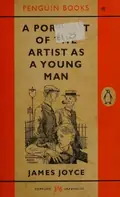
A Portrait of the Artist as a Young Man
James Joyce · 1916
SOAR KIDZ Grade 11Stephen Dedalus grows up in Catholic Ireland and breaks away to be an artist. Includes a long hellfire sermon and frank sexual passages.
-
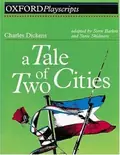
A Tale of Two Cities
Charles Dickens · 1859
SOAR KIDZ Grade 11Love and sacrifice set against the French Revolution and its guillotine. The opening and the political backdrop need support.
-
An American Tragedy
Theodore Dreiser · 1925
SOAR KIDZ Grade 11An ambitious young man lets his pregnant girlfriend drown and is tried for it. Very long, plain but heavy prose, adult themes.
-
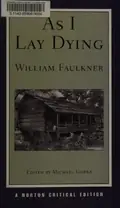
As I Lay Dying
William Faulkner · 1930
SOAR KIDZ Grade 11A poor family hauls their mother's coffin across Mississippi, told by fifteen narrators. The Lexile hides how hard the shifting voices are.
-
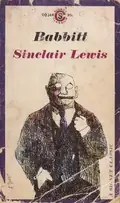
Babbitt
Sinclair Lewis · 1922
SOAR KIDZ Grade 11A satire of a conformist real estate man in a booming Midwest city. Light on drama, heavy on 1920s slang and social satire.
-
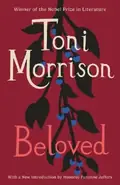
Beloved
Toni Morrison · 1987
SOAR KIDZ Grade 11A formerly enslaved mother is haunted by the ghost of her baby daughter and a terrible past choice. Demanding structure and very mature content.
Also on Harvard Must-Read
-
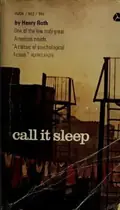
Call It Sleep
Henry Roth · 1934
SOAR KIDZ Grade 11A Jewish immigrant boy's fearful childhood on New York's Lower East Side. Heavy dialect, sexual episodes, and an abusive father.
-
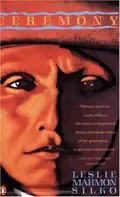
Ceremony
Leslie Marmon Silko · 1977
SOAR KIDZ Grade 11Tayo, a Laguna Pueblo veteran of WWII, heals through traditional ceremony. Poems woven into prose, alcoholism, and violence.
-

Doctor Zhivago
Boris Pasternak · 1957
SOAR KIDZ Grade 11A doctor and poet is swept through the Russian Revolution and civil war. Very long with a huge cast; a college book for most.
-
Don Quixote
Miguel de Cervantes · 1605
SOAR KIDZ Grade 11A man who reads too many romances sets out as a knight. Very funny in places, very long; many readers start with an abridged edition.
-
Faust
Johann Wolfgang von Goethe · 1808
SOAR KIDZ Grade 11A scholar bargains his soul with Mephistopheles, and a young woman is ruined. Verse drama in translation; heavy philosophy and an infanticide plot.
-

Frankenstein
Mary Shelley · 1818
SOAR KIDZ Grade 11A scientist creates life and abandons it. Nested narrators and 19th-century prose make this a true stretch.
-
Gulliver's Travels
Jonathan Swift · 1726
SOAR KIDZ Grade 11Gulliver visits tiny Lilliputians, giants, and talking horses. Fun on the surface, but the satire of 18th century politics needs a guide.
-
Hamlet
William Shakespeare · 1603
SOAR KIDZ Grade 11A grieving prince wrestles with revenge and doubt. The most discussed play in English.
-
Heart of Darkness
Joseph Conrad · 1899
SOAR KIDZ Grade 11A journey up the Congo exposes colonial horror. Read alongside Achebe's critique of its portrayal of Africans.
-
Inferno
Dante Alighieri
SOAR KIDZ Grade 11Dante tours the circles of hell, meeting real historical figures. A good annotated translation is essential, since most meaning lives in the notes.
-

Invisible Man
Ralph Ellison · 1952
SOAR KIDZ Grade 11An unnamed Black narrator searches for identity in a society that refuses to see him. A cornerstone of AP literature.
Also on Harvard Must-Read
-
Madame Bovary
Gustave Flaubert · 1857
SOAR KIDZ Grade 11Emma Bovary escapes a dull marriage through affairs and debt. Adult in theme and detail, including a slow, painful death described on the page.
-
Narrative of the Life of Frederick Douglass
Frederick Douglass · 1845
SOAR KIDZ Grade 11Douglass tells how he learned to read and freed himself. Brutal scenes of slavery and brilliant argument.
-
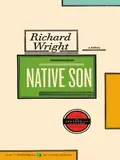
Native Son
Richard Wright · 1940
SOAR KIDZ Grade 11Bigger Thomas, trapped by poverty and racism in Chicago, commits two killings. Graphic violence and a rape; a book for discussion with an adult.
-
Pride and Prejudice
Jane Austen · 1813
SOAR KIDZ Grade 11Elizabeth Bennet and Mr. Darcy misjudge each other. Witty irony that rewards close reading.
Also on Harvard Must-Read
-

Tess of the d'Urbervilles
Thomas Hardy · 1891
SOAR KIDZ Grade 11A poor young woman is sexually assaulted, judged by those around her, and pursued by misfortune. Lush rural prose with an unrelentingly tragic arc.
-

The Bell Jar
Sylvia Plath · 1963
SOAR KIDZ Grade 11Esther Greenwood's breakdown, suicide attempts, and electroshock treatment in 1950s America. Readable, but best with an adult close by and the 988 Suicide and Crisis Lifeline in mind.
Also on Harvard Must-Read
-
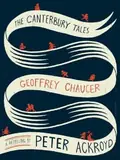
The Canterbury Tales
Geoffrey Chaucer
SOAR KIDZ Grade 11Pilgrims trade stories on the road, from noble to bawdy. In Middle English it is a college text; school selections in modern translation are more reachable.
-

The Color Purple
Alice Walker · 1982
SOAR KIDZ Grade 11Celie writes letters through years of abuse toward freedom and love. Dialect makes the Lexile misleading, and the sexual abuse is explicit.
-
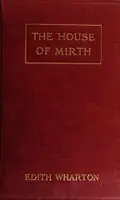
The House of Mirth
Edith Wharton · 1905
SOAR KIDZ Grade 11Lily Bart slides down New York high society as money and marriage close in on her. Elegant, ironic prose with a tragic ending.
-
The Hunchback of Notre Dame
Victor Hugo · 1831
SOAR KIDZ Grade 11Quasimodo, Esmeralda, and a priest's obsession end in nearly everyone's death. Long architectural digressions; far darker than the film.
-
The Last of the Mohicans
James Fenimore Cooper · 1826
SOAR KIDZ Grade 11A frontier adventure during the French and Indian War with a massacre at its center. The prose is famously heavy and the portrayals of Native people are dated.
-
The Mill on the Floss
George Eliot · 1860
SOAR KIDZ Grade 11Maggie Tulliver and her brother grow up and grow apart amid family ruin. Rich but slow prose; the tragic ending is heavy.
-
The Picture of Dorian Gray
Oscar Wilde · 1890
SOAR KIDZ Grade 11A young man stays beautiful while his portrait records his corruption. Witty epigrams, a murder, and a suicide.
-
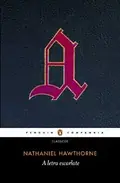
The Scarlet Letter
Nathaniel Hawthorne · 1850
SOAR KIDZ Grade 11Hester Prynne wears an A for adultery in Puritan Boston. The prose is the hard part; the long Custom House opening can be skimmed.
Also on Harvard Must-Read
-
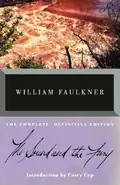
The Sound and the Fury
William Faulkner
SOAR KIDZ Grade 11The decline of the Compson family, opening in the mind of a disabled narrator. One of the hardest structures in American fiction; better in college.
Also on Harvard Must-Read
-
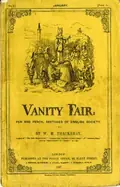
Vanity Fair
William Makepeace Thackeray · 1848
SOAR KIDZ Grade 11Becky Sharp schemes her way up English society around the Napoleonic Wars. Very long, ironic, and full of social detail.
-

War and Peace
Leo Tolstoy · 1869
SOAR KIDZ Grade 11Five aristocratic families through Napoleon's invasion of Russia. Over a thousand pages with essays on history; best saved for an ambitious reader.
The Harvard Must‑Read List: What Your Child Can Read Now
-
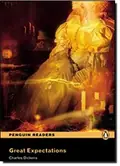
Great Expectations
Charles Dickens · 1861
SOAR KIDZ Grade 11Content is mild for high school, but Dickens's length, dialect and serial plotting make it a stamina read. Reading alongside keeps students going.
-
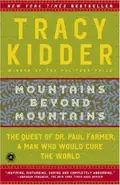
Mountains Beyond Mountains
Tracy Kidder · 2003
SOAR KIDZ Grade 11Nonfiction about Dr. Paul Farmer's work in Haiti, full of disease, poverty and global health detail. An adapted young adult edition exists for younger readers.
-
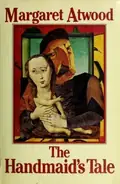
The Handmaid's Tale
Margaret Atwood · 1985
SOAR KIDZ Grade 11Easy sentences, adult subject: ritualized rape, executions and suicide. Suited to late high school with discussion.
Books SOAR classes read → Class Booklist