Grade 10 Books
28 books from the Newbery Shelf, College Board 101, and Harvard Must-Read lists fit grade 10, by SOAR KIDZ Grade.
The Newbery Shelf
-
The Story of Mankind
Hendrik Willem van Loon · 1922
SOAR KIDZ Grade 10A sweeping history of the world. Dense prose and some views on cultures that read as dated today.
The College Board's 101 Great Books: When Is Your Child Ready for Each One?
-
A Farewell to Arms
Ernest Hemingway · 1929
SOAR KIDZ Grade 10An American ambulance driver falls in love with a British nurse during WWI. Short sentences hide adult material: war wounds, sex, and a heartbreaking ending.
-
Animal Farm
George Orwell · 1945
SOAR KIDZ Grade 10Farm animals overthrow their farmer and fall into tyranny. A short fable that unlocks the history of totalitarianism.
-
Bartleby the Scrivener
Herman Melville · 1853
SOAR KIDZ Grade 10A copyist answers every request with "I would prefer not to." A short story with old fashioned prose and a quietly bleak ending.
-
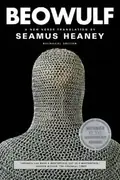
Beowulf
Anonymous
SOAR KIDZ Grade 10An Old English epic of monster fights and a hero's death. A modern verse translation such as Heaney's makes it far more approachable.
-

Brave New World
Aldous Huxley · 1932
SOAR KIDZ Grade 10A pleasure-driven future trades freedom for comfort. Frank sexual content and drug use.
-

Candide
Voltaire · 1759
SOAR KIDZ Grade 10A naive optimist suffers war, earthquake, and assault across the world. Short and funny, but the satire includes rape and slaughter played for irony.
-
Catch-22
Joseph Heller · 1961
SOAR KIDZ Grade 10A bomber pilot tries every trick to avoid flying more WWII missions. Darkly funny and circular, with sexual content and a sudden brutal death scene.
Also on Harvard Must-Read
-
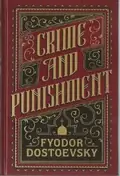
Crime and Punishment
Fyodor Dostoevsky · 1866
SOAR KIDZ Grade 10A student commits murder and is consumed by guilt. A long, demanding novel of philosophy and psychology.
Also on Harvard Must-Read
-
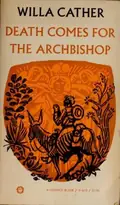
Death Comes for the Archbishop
Willa Cather · 1927
SOAR KIDZ Grade 10Two French priests build a diocese in the New Mexico territory. Quiet, episodic, and gentle in tone, with some dated portrayals of Native and Mexican people.
-
Fathers and Sons
Ivan Turgenev · 1862
SOAR KIDZ Grade 10A young nihilist clashes with his elders and with his own heart. A compact Russian novel that opens great generational debates, with a sad ending.
-
Go Tell It on the Mountain
James Baldwin · 1953
SOAR KIDZ Grade 10A Harlem teenager's fourteenth birthday unfolds alongside his family's buried histories of faith, abuse, and sin. Best discussed with an adult.
-
Leaves of Grass
Walt Whitman · 1855
SOAR KIDZ Grade 10Song of Myself and O Captain! My Captain! are typical selections. Long free verse lines read best aloud; some passages are openly sensual.
-
Long Day's Journey into Night
Eugene O'Neill · 1956
SOAR KIDZ Grade 10One day in a family torn by a mother's morphine addiction and a father's drinking. Plain words, harrowing content.
-
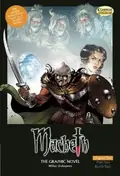
Macbeth
William Shakespeare · 1623
SOAR KIDZ Grade 10A soldier's ambition leads to murder and madness. The shortest tragedy and a great study of guilt.
-
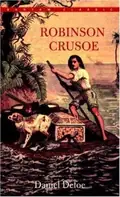
Robinson Crusoe
Daniel Defoe · 1719
SOAR KIDZ Grade 10A castaway survives alone for decades. The adventure is gentle, but the 18th century prose is dense and the slavery and colonial views need discussion.
-
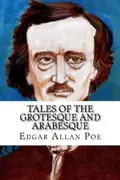
Selected Tales
Edgar Allan Poe
SOAR KIDZ Grade 10The Tell-Tale Heart, The Cask of Amontillado, and The Fall of the House of Usher are typical picks. Creepy rather than graphic; vocabulary is the hurdle.
-

Slaughterhouse-Five
Kurt Vonnegut · 1969
SOAR KIDZ Grade 10Billy Pilgrim, unstuck in time, survives the firebombing of Dresden. Simple sentences and a jumping timeline; sexual content and war trauma.
-
The Adventures of Huckleberry Finn
Mark Twain · 1884
SOAR KIDZ Grade 10Huck and Jim raft down the Mississippi. Dialect and racial slurs make the Lexile misleading and discussion essential.
-
The Awakening
Kate Chopin · 1899
SOAR KIDZ Grade 10Edna Pontellier pulls away from marriage and motherhood in 1890s Louisiana. Short, but the themes are adult, including suicide.
-
The Catcher in the Rye
J.D. Salinger · 1951
SOAR KIDZ Grade 10Holden Caulfield wanders New York after being expelled, grieving his brother. Easy voice, but profanity, a sex worker scene, and despair.
-
The Great Gatsby
F. Scott Fitzgerald · 1925
SOAR KIDZ Grade 10Nick watches Gatsby chase Daisy and the American Dream. Short, symbolic and endlessly discussable.
Also on Harvard Must-Read
-
The Stranger
Albert Camus · 1942
SOAR KIDZ Grade 10Meursault kills a man and seems not to care. Short and plainly written, but its detachment and philosophy need guided talk.
Also on Harvard Must-Read
-
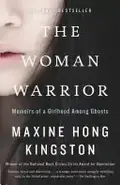
The Woman Warrior
Maxine Hong Kingston · 1976
SOAR KIDZ Grade 10A Chinese American memoir braided with myth, opening with an aunt's suicide. The blend of fact and legend needs guidance.
-
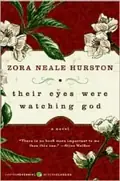
Their Eyes Were Watching God
Zora Neale Hurston · 1937
SOAR KIDZ Grade 10Janie's search for love and self across three marriages. Rich dialect makes the reading harder than its Lexile.
Also on Harvard Must-Read
-

Uncle Tom's Cabin
Harriet Beecher Stowe · 1852
SOAR KIDZ Grade 10The antislavery novel that shook a nation, including Tom's fatal beating. Sentimental and stereotyped in ways that need historical framing.
-
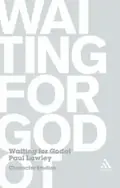
Waiting for Godot
Samuel Beckett · 1952
SOAR KIDZ Grade 10Two men wait for someone who never comes. The words are simple; the meaning is the challenge, so it works best read aloud and talked through.
The Harvard Must‑Read List: What Your Child Can Read Now
-
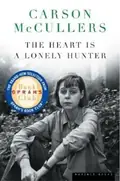
The Heart Is a Lonely Hunter
Carson McCullers · 1940
SOAR KIDZ Grade 10Plain prose about loneliness in a Southern town, with racism, a suicide and a teen's first sexual experience. Quiet but heavy.
Books SOAR classes read → Class Booklist